Lahir
22 Agustus 1915
Kredit anime
8
Identitas
Nama asli
伟 特
Nama depan
Wei
Nama belakang
Te
Fakta Cepat
Hari lahir
Minggu
Zodiak
Leo
Shio
Kelinci
Website
Tidak tersedia
Profil Personel Anime
Sorotan Cepat
Favorit
1
Kredit anime
8
Profil Singkat
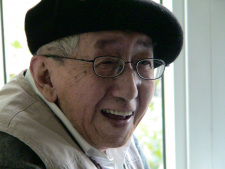
Te Wei lahir dengan nama Sheng Song (Hanzi: 盛松) dari keluarga miskin di Shanghai. Saat remaja, ia mulai menggambar kartun politik, dan kemudian mencari nafkah dengan menggambar propaganda anti-Jepang. Setelah Mao Zedong merebut kekuasaan pada tahun 1949, seorang eksekutif yang bertanggung jawab atas Changchun Film Studio teringat akan kartun-kartun Te Wei, dan mendekatinya untuk memimpin departemen animasi studio tersebut, meskipun ia sama sekali tidak memiliki pengalaman dalam animasi. Animator Jepang, Tadahito Mochinaga, menjadi mentornya, dan keduanya menjadi sahabat seumur hidup.
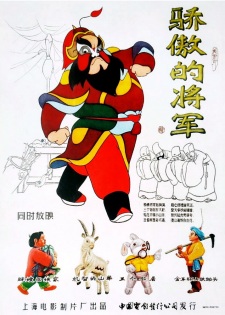
Dalam waktu setahun, studio tersebut dipindahkan ke Shanghai, di mana mereka menikmati periode singkat kebebasan artistik dengan pendanaan pemerintah selama Kampanye Seratus Bunga. Awalnya, banyak yang dipelajari dari studi animasi Soviet, tetapi studio tersebut segera mulai bereksperimen dengan teknik-teknik yang didasarkan pada tradisi domestik. The Conceited General (1956) menunjukkan pengaruh dari budaya Tiongkok, dengan desain karakter dan musik yang terinspirasi oleh Peking opera, serta animator Soviet seperti Ivan Ivanov-Vano, dan juga animator Barat seperti Walt Disney.
Selama kunjungan ke studio, Wakil Perdana Menteri saat itu, Chen Yi, menyarankan agar mereka membuat versi animasi dari lukisan-lukisan Qi Baishi. Sekelompok animator yang dipimpin oleh Te Wei kemudian berangkat untuk menciptakan Where is Mama. Film ini adalah yang pertama menggunakan animasi tinta-cuci, dan kemudian memenangkan beberapa penghargaan, baik di Tiongkok maupun internasional. Film ini diikuti oleh The Cowboy's Flute (1963) dengan teknik yang sama.
Pada tahun 1964, saat Mao bersiap untuk Revolusi Kebudayaan, studio tersebut ditutup, dan Te Wei ditempatkan dalam kurungan soliter selama setahun. Untuk menjaga semangatnya, ia akan membuat sketsa di panel kaca sebuah meja yang berdiri di kamar kecilnya, menghapus gambar-gambar itu ketika ia mendengar seorang penjaga mendekat. Te Wei menghabiskan tahun-tahun berikutnya di pengasingan di pedesaan, dan tidak dapat kembali ke studio sampai tahun 1975. Kendala Revolusi Kebudayaan mulai mengendur, dan kematian Mao pada tahun 1976 diikuti oleh periode kebangkitan artistik yang baru.
Era 1980-an akan menjadi periode yang intens bagi Te Wei, yang mendapati dirinya bertanggung jawab atas sekitar 500 pekerja di studio. Masih mendapatkan manfaat dari pendanaan negara, studio ini memproduksi beberapa karya yang paling diakui dan eksperimental. Setelah mengundurkan diri sebagai presiden studio pada tahun 1984, Te Wei menyutradarai film fitur Monkey King Conquers the Demon (1984), berdasarkan Journey to the West, dan film yang diakui Feeling from Mountain and Water (1988), yang ternyata menjadi film terakhirnya.
Pada tahun 1989, Te diakui oleh Partai Komunis sebagai salah satu dari empat pembuat film terkemuka dalam sejarah bangsa. Itu adalah puncak yang pas dari pemerintah yang telah memberinya begitu banyak dukungan dan memberinya begitu banyak rasa sakit. Namun seniman yang selamat dari Revolusi Kebudayaan tidak mampu menghadapi transisi ke ekonomi pasar, dan ia tidak bekerja dalam dua dekade terakhir hidupnya.
(Sumber: Wikipedia)
Kredit Anime
Sutradara
Sutradara, Naskah
Sutradara
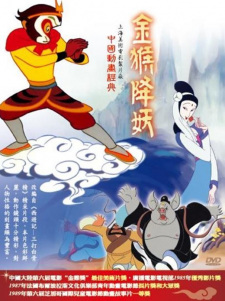
Sutradara, Naskah
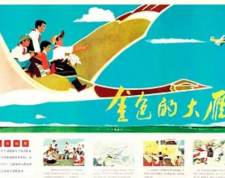
Sutradara
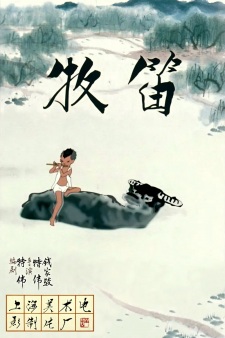
Sutradara, Naskah

Sutradara
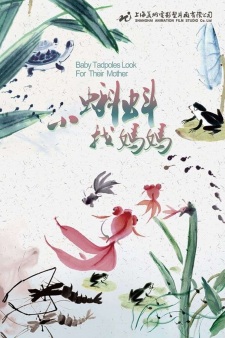
Sutradara, Penata Seni
Tautan Eksternal
Pertanyaan Umum tentang Wei Te
Jawaban cepat untuk pertanyaan yang paling sering dicari tentang personel ini.
Siapa Wei Te?
Wei Te dikenal sebagai sutradara. Saat ini halaman ini mencatat 8 kredit anime untuk Wei Te. Wei Te lahir pada 22 Agustus 1915.
Apa jabatan atau peran Wei Te di anime?
Wei Te paling sering tercatat sebagai Sutradara dan Naskah.
Anime apa saja yang pernah dikerjakan Wei Te?
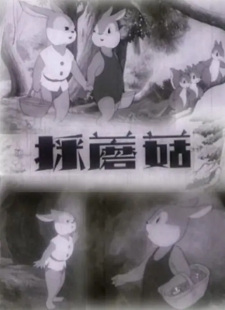
Wei Te tercatat pada karya seperti Mu Di, Cai Mogu, Hao Pengyou, dan Shanshui Qing.
Kapan Wei Te lahir?
Wei Te lahir pada 22 Agustus 1915, hari Minggu.